- Your cart is empty
- Continue Shopping

Understanding Andractim Gel Decatur Alabama Dihydrotestosterone (DHT): Benefits, Risks, Medical Uses, and What Patients Should Know
Previous pageAndractim Gel Decatur Alabama Dihydrotestosterone (DHT):
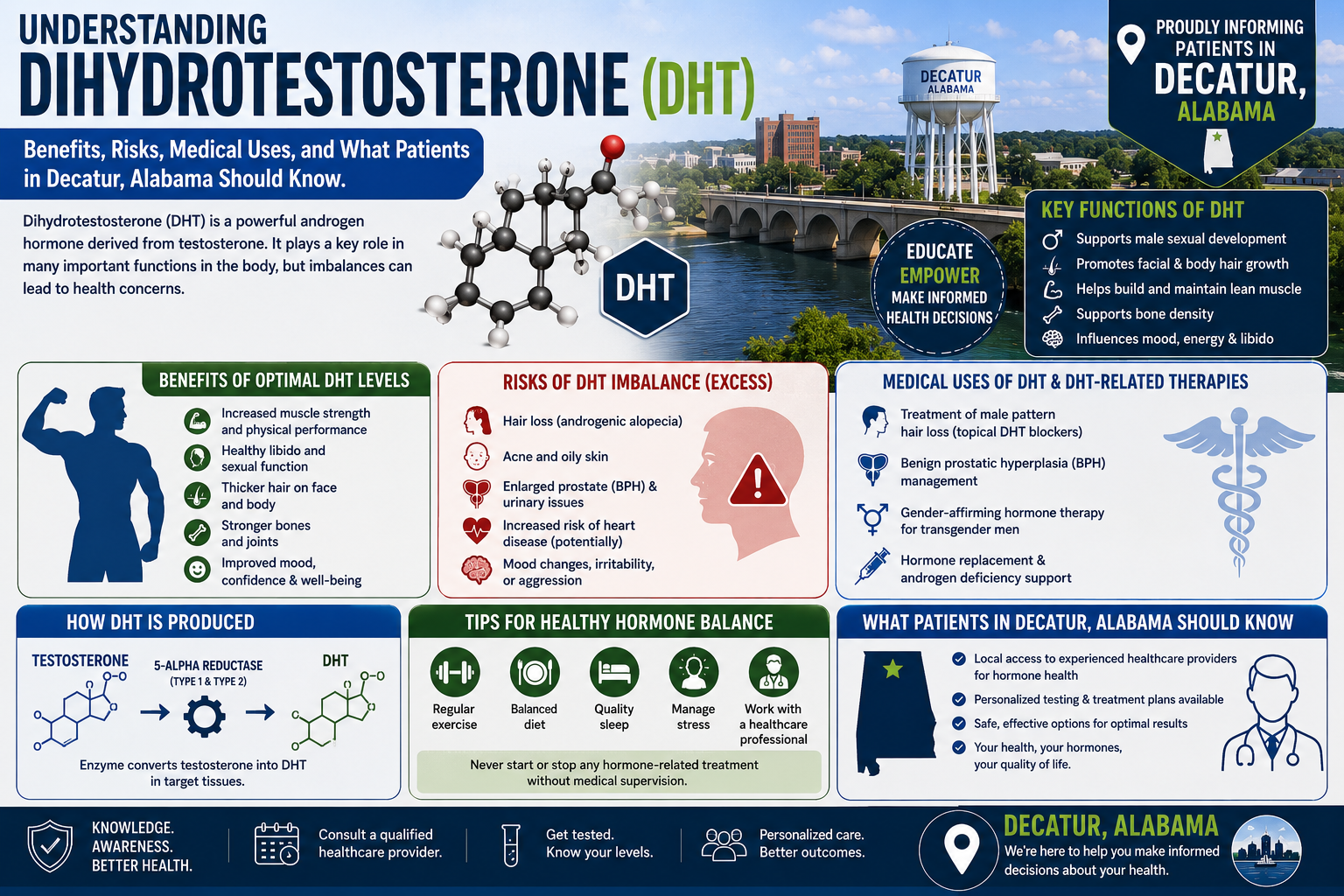
Dihydrotestosterone (DHT) is one of the body’s naturally occurring androgen hormones. It is produced when the enzyme 5-alpha reductase converts testosterone into DHT. Although derived from testosterone, DHT has unique biological properties and plays an essential role in normal male development, sexual differentiation, and certain aspects of adult health.
People in Andractim Cream Decatur Alabama, and elsewhere may search for DHT when learning about hormone-related symptoms such as fatigue, decreased libido, erectile dysfunction, reduced muscle mass, or changes in body hair. Understanding the role of DHT can help patients have informed discussions with their healthcare providers.
What Is DHT?
DHT is a metabolite of testosterone with a stronger affinity for androgen receptors than testosterone itself. It is involved in:
- Development of male external genitalia before birth
- Puberty-related changes such as facial and body hair growth
- Prostate development
- Maintenance of some androgen-dependent tissues
Unlike testosterone, DHT cannot be converted into estrogen, giving it a distinct biological profile.
DHT vs. Testosterone
Although closely related, testosterone and DHT have different functions.
| Testosterone | DHT |
|---|---|
| Primary circulating male hormone | Potent metabolite of testosterone |
| Can be converted into estrogen | Cannot be converted into estrogen |
| Supports muscle, bone, and reproductive health | Has stronger activity in certain androgen-responsive tissues |
| Commonly used in FDA-approved testosterone replacement therapies | Not routinely used as an approved therapy in the United States |
These differences mean that clinicians evaluate each patient’s medical history and laboratory results carefully before recommending hormone therapy.
Why Is DHT Important?
Normal DHT levels contribute to healthy androgen function. DHT is particularly important for:
- Male sexual development
- Hair growth patterns
- Prostate development
- Maintenance of some secondary sexual characteristics
However, DHT is also associated with certain medical conditions. Elevated activity in specific tissues has been linked to androgenic alopecia (male-pattern hair loss) and benign prostatic enlargement in susceptible individuals.
Symptoms That May Prompt Hormone Evaluation
Symptoms often attributed to low androgen levels include:
- Persistent fatigue
- Reduced libido
- Erectile dysfunction
- Decreased muscle strength
- Loss of body hair
- Difficulty concentrating
- Mood changes
- Reduced exercise tolerance
- Low bone density
- Infertility concerns
These symptoms are not specific to DHT deficiency and can result from many medical conditions. Proper evaluation by a healthcare professional is essential.
How Hormone Disorders Are Diagnosed
Healthcare providers generally begin with a detailed medical history and physical examination. Depending on the symptoms, testing may include:
- Morning testosterone levels
- Repeat hormone measurements when indicated
- Luteinizing hormone (LH)
- Follicle-stimulating hormone (FSH)
- Prolactin
- Thyroid function tests
- Additional laboratory studies tailored to the individual
Diagnosis should not rely on symptoms alone.
Medical Conditions Associated with Androgen Evaluation
Hormone testing may be considered when evaluating:
- Male hypogonadism
- Delayed puberty
- Erectile dysfunction
- Infertility
- Reduced bone density
- Chronic fatigue after other causes have been excluded
- Certain endocrine disorders
Appropriate evaluation helps determine whether symptoms are related to hormone levels or another underlying condition.
Potential Benefits of Appropriate Hormone Therapy
For individuals with a confirmed hormone deficiency and a medically appropriate indication, hormone therapy may improve:
- Sexual function
- Energy levels
- Mood
- Bone mineral density
- Lean muscle mass
- Overall quality of life
The expected response varies between individuals and depends on the underlying diagnosis, overall health, and treatment plan.
Possible Risks and Side Effects
Hormone therapy can also carry risks. Depending on the specific medication used, potential side effects may include:
- Acne
- Oily skin
- Increased body hair
- Scalp hair loss in genetically susceptible individuals
- Skin irritation with topical preparations
- Mood changes
- Changes in cholesterol levels
- Increased red blood cell count
- Changes in prostate health
Patients receiving hormone therapy require regular follow-up and laboratory monitoring.
Who Should Exercise Caution?
Hormone therapy may not be suitable for everyone. Healthcare professionals carefully evaluate patients with:
- Known or suspected prostate cancer
- Male breast cancer
- Elevated prostate-specific antigen (PSA)
- Severe untreated sleep apnea
- Polycythemia
- Significant cardiovascular disease
- Certain liver disorders
Treatment decisions are individualized and should be made in consultation with a qualified clinician.
Lifestyle Habits That Support Hormone Health
Medical therapy is only one aspect of hormone health. Healthy lifestyle habits can also contribute to overall well-being:
- Regular resistance and aerobic exercise
- Maintaining a healthy body weight
- Consistent, adequate sleep
- Balanced nutrition
- Stress management
- Avoiding tobacco
- Limiting excessive alcohol intake
- Managing chronic health conditions such as diabetes or obesity
These measures support overall health and may improve quality of life regardless of hormone status.
Finding Care in Decatur, Alabama
If you live in Decatur and have concerns about hormone-related symptoms, your first step should be to consult a licensed healthcare professional. Depending on your needs, you may be referred to:
- A primary care physician
- An endocrinologist
- A urologist
- A reproductive health specialist
These professionals can evaluate your symptoms, recommend appropriate testing, and discuss evidence-based treatment options if needed.
Frequently Asked Questions
What is DHT?
DHT (dihydrotestosterone) is a hormone produced from testosterone by the enzyme 5-alpha reductase. It is a potent androgen involved in normal male development and function.
Is DHT the same as testosterone?
No. DHT is derived from testosterone but has different biological effects and cannot be converted into estrogen.
Can low hormone levels cause fatigue?
Hormone disorders can contribute to fatigue, but many other medical conditions can also cause similar symptoms. Proper medical evaluation is necessary.
Should I take hormone therapy because of symptoms alone?
No. Symptoms should be evaluated alongside laboratory testing and a comprehensive medical assessment before treatment decisions are made.
Can lifestyle changes improve hormone health?
Healthy habits such as regular exercise, maintaining a healthy weight, adequate sleep, and balanced nutrition can support overall hormone health, although they may not replace medical treatment when a diagnosed hormone disorder is present.
Key Takeaways
Dihydrotestosterone (DHT) is an important androgen hormone with unique biological functions. While it plays a critical role in normal development and adult health, symptoms often attributed to hormone imbalance can have many different causes.
For people in Andractim Gel Decatur Alabama, the best approach is to seek evaluation from a qualified healthcare professional if persistent symptoms such as fatigue, reduced libido, erectile dysfunction, or decreased muscle strength occur. Accurate diagnosis, individualized care, and ongoing monitoring remain the foundation of effective hormone management.
Andractim Gel Decatur Alabama, Andractim Gel Decatur Alabama , Andractim Gel Decatur Alabama , Andractim Gel Decatur Alabama.