- Your cart is empty
- Continue Shopping


Can Fentanyl Use Lead to Addiction? Understanding the Risks, Science, and Warning Signs
- Guides
- Posted on
-
by admin
- 0 comments
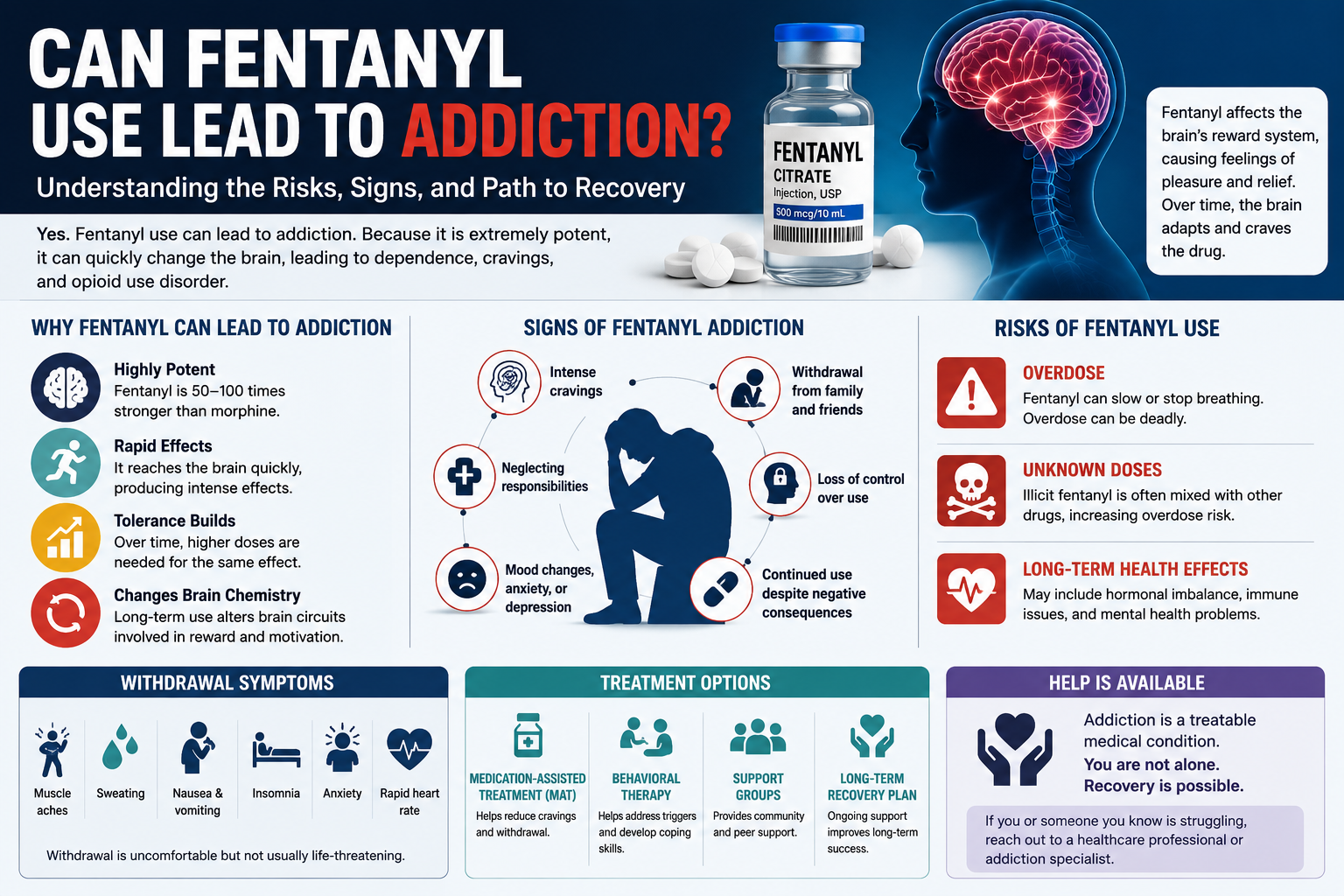
Can Fentanyl Use Lead to Addiction?
Fentanyl is one of the most powerful synthetic opioids used in modern medicine. It is prescribed in carefully controlled medical settings to manage severe pain, particularly after surgery, during cancer treatment, or when other pain medications are ineffective. While fentanyl has legitimate medical uses, it is also associated with a high risk of misuse, dependence, addiction, and overdose.
A common question among patients, healthcare professionals, and families is: Can fentanyl use lead to addiction?
The short answer is yes. Because of its potency and effects on the brain’s reward system, fentanyl can lead to physical dependence and opioid use disorder, especially when used improperly or for extended periods. Understanding how fentanyl works and recognizing the signs of addiction can help individuals make informed decisions and seek support when needed.
What Is Fentanyl?
Fentanyl is a synthetic opioid that is significantly more potent than many traditional opioid medications. It works by binding to opioid receptors in the brain and nervous system, reducing pain signals while producing feelings of relaxation and well-being.
Medical fentanyl may be administered through:
- Patches
- Injections
- Lozenges
- Tablets
- Nasal sprays
Because fentanyl is extremely potent, even small amounts can have powerful effects on the body.
How Does Fentanyl Affect the Brain?
Fentanyl activates opioid receptors located in areas of the brain responsible for:
- Pain perception
- Emotional regulation
- Reward processing
- Breathing control
- Stress response
When these receptors are activated, dopamine levels increase, creating sensations of pleasure and relief. Repeated exposure can cause the brain to adapt to the drug’s presence, leading to tolerance and dependence.
Over time, the brain may begin to rely on fentanyl to function normally, making it difficult to stop using without experiencing withdrawal symptoms.

Understanding Addiction
Addiction, also known as opioid use disorder, is a chronic medical condition characterized by compulsive drug use despite harmful consequences.
It differs from physical dependence.
Physical Dependence
Physical dependence occurs when the body adapts to a drug’s presence.
Symptoms may include:
- Withdrawal symptoms when use stops
- Increased tolerance
- Physical discomfort during discontinuation
Addiction
Addiction involves behavioral changes such as:
- Cravings
- Loss of control over use
- Continued use despite negative consequences
- Difficulty reducing or stopping use
A person can develop physical dependence without addiction, but addiction often includes dependence as part of the condition.
Why Is Fentanyl Highly Addictive?
Several factors contribute to fentanyl’s addiction potential.
Rapid Effects
Fentanyl reaches opioid receptors quickly, producing strong effects that reinforce repeated use.
High Potency
Because fentanyl is extremely potent, even small amounts can significantly affect the brain’s reward pathways.
Tolerance Development
With repeated use, the body may become less responsive to the drug.
As tolerance develops, individuals may require higher doses to achieve the same effects, increasing the risk of dependence and overdose.
Changes in Brain Chemistry
Long-term opioid exposure can alter brain circuits involved in:
- Motivation
- Decision-making
- Stress management
- Reward processing
These changes contribute to the cycle of addiction.
Signs and Symptoms of Fentanyl Addiction
Recognizing the warning signs of opioid addiction is important for early intervention.
Behavioral Signs
- Obsessive focus on obtaining opioids
- Neglecting responsibilities
- Social withdrawal
- Continued use despite problems
- Doctor shopping for prescriptions
Psychological Signs
- Intense cravings
- Anxiety
- Mood changes
- Irritability
- Depression
Physical Signs
- Drowsiness
- Constricted pupils
- Slowed breathing
- Frequent fatigue
- Nausea
If these symptoms become persistent, professional evaluation may be necessary.
Can Prescription Use Lead to Addiction?
Yes.
Even when fentanyl is prescribed and used according to medical guidance, addiction can still develop in some individuals.
Risk factors include:
- Long-term opioid use
- Personal history of substance use disorder
- Family history of addiction
- Mental health conditions
- High opioid dosages
Healthcare providers monitor patients carefully to reduce these risks.
Withdrawal Symptoms
When a person who has become dependent on fentanyl stops using it, withdrawal symptoms may occur.
Common symptoms include:
- Muscle aches
- Sweating
- Anxiety
- Insomnia
- Nausea
- Vomiting
- Restlessness
- Increased heart rate
While opioid withdrawal is generally not life-threatening, it can be extremely uncomfortable and may contribute to relapse.
The Risk of Overdose
One of the most serious dangers associated with fentanyl use is overdose.
Fentanyl affects areas of the brain that regulate breathing.
Signs of overdose may include:
- Extremely slow breathing
- Blue lips or fingertips
- Unresponsiveness
- Loss of consciousness
- Pinpoint pupils
A fentanyl overdose is a medical emergency and requires immediate treatment.
How Is Fentanyl Addiction Treated?
Effective treatments are available for opioid use disorder.
Medication-Assisted Treatment (MAT)
Evidence-based medications may help reduce cravings and withdrawal symptoms.
Examples include:
- Buprenorphine
- Methadone
- Naltrexone
Behavioral Therapy
Therapeutic approaches help individuals:
- Identify triggers
- Develop coping skills
- Improve emotional regulation
- Prevent relapse
Counseling and Support Groups
Many individuals benefit from:
- Individual counseling
- Group therapy
- Family therapy
- Recovery support programs
Long-Term Recovery Planning
Addiction recovery is often a long-term process requiring ongoing support and monitoring.
Preventing Opioid Addiction
Several strategies can help reduce the risk of opioid addiction.
Follow Medical Instructions
Always use prescription medications exactly as directed by a healthcare provider.
Discuss Risk Factors
Patients should inform healthcare professionals about:
- Previous substance use disorders
- Mental health conditions
- Family history of addiction
Avoid Sharing Medication
Prescription opioids should never be shared with others.
Proper Storage and Disposal
Unused medications should be stored securely and disposed of according to local guidelines.
The Importance of Public Awareness
Public education plays a crucial role in reducing opioid-related harm.
Understanding:
- Addiction risks
- Warning signs
- Treatment options
- Overdose prevention
can help individuals and communities respond effectively to opioid misuse.
Reducing stigma is equally important because it encourages people to seek help earlier and improves recovery outcomes.
Frequently Asked Questions
Is fentanyl more addictive than other opioids?
Fentanyl’s high potency can increase the risk of dependence and addiction, particularly when misused.
Can someone become addicted after short-term use?
Addiction risk varies by individual, but repeated exposure can increase the likelihood of dependence and misuse.
Is opioid addiction treatable?
Yes. Evidence-based treatments, including medication-assisted treatment and counseling, have helped many individuals achieve long-term recovery.
What should I do if I suspect someone is addicted?
Encourage them to seek professional medical evaluation and support from qualified healthcare providers.
Conclusion
Fentanyl is a powerful medication with important medical uses, but it also carries a significant risk of addiction, dependence, and overdose. Because it affects the brain’s reward and pain pathways, repeated exposure can lead to changes that make stopping difficult without support.
Understanding how fentanyl works, recognizing warning signs early, and seeking professional help when needed can improve outcomes and reduce the risks associated with opioid use. With appropriate treatment, recovery from opioid addiction is possible, and many individuals successfully regain control of their health and well-being.
