- Your cart is empty
- Continue Shopping


Understanding Andractim® (DHT Gel): Clinical Applications, Patient Selection, and the Importance of Quality-Assured Supply
- Mindfulness
- Posted on
-
by admin
- 0 comments
Understanding Andractim® (DHT Gel): Clinical Applications, Patient Selection, and the Importance of Quality-Assured Supply
Androgen therapies play a critical role in the management of several male health conditions, particularly when hormonal deficiencies or genetic disorders affect normal development and physiological function. Among these therapies, Andractim® (dihydrotestosterone or DHT gel) has attracted attention for its unique pharmacological profile and its potential role in carefully selected patients under specialist supervision.
Unlike testosterone replacement therapies that rely on conversion pathways within the body, DHT gel delivers dihydrotestosterone directly to target tissues. This characteristic makes it particularly relevant in certain clinical scenarios, including conditions such as idiopathic micropenis, partial androgen insensitivity syndrome (PAIS), and 5-alpha-reductase deficiency (5αRD2).
As awareness of androgen-related disorders grows, healthcare providers, researchers, and pharmaceutical sourcing professionals are increasingly seeking reliable information about DHT-based therapies, their clinical applications, and the importance of quality-assured supply chains.
This article explores the role of Andractim®, current clinical considerations, patient eligibility, safety monitoring requirements, and best practices for pharmaceutical procurement.
What Is Andractim®?
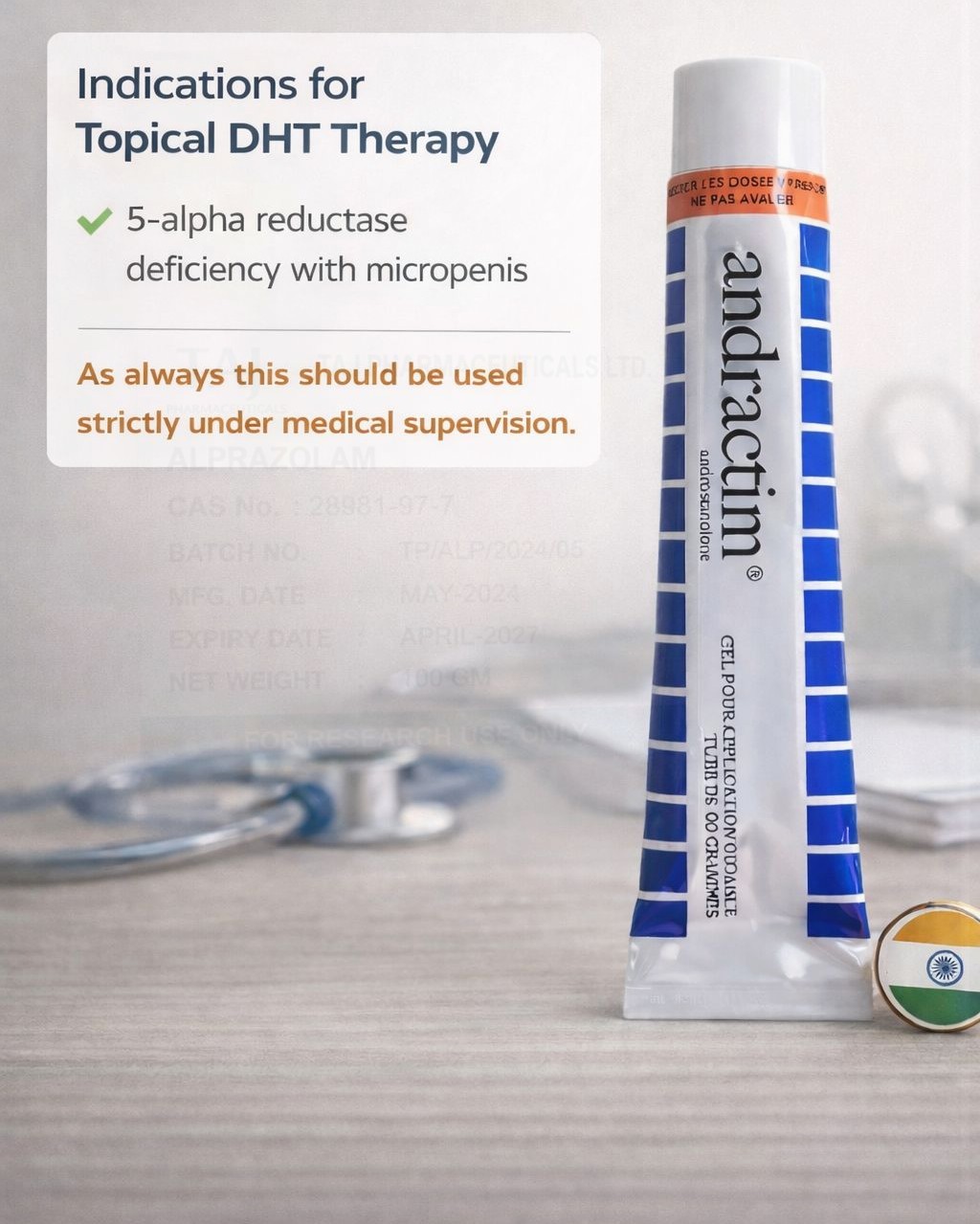
Andractim® is a topical formulation containing dihydrotestosterone (DHT), a potent androgen that plays a crucial role in male sexual development and secondary sexual characteristics. Healthcare professionals and procurement specialists seeking detailed product specifications can review information about buy Andractim DHT gel online in bulk.
DHT is derived naturally from testosterone through the action of the enzyme 5-alpha-reductase. However, unlike testosterone, DHT cannot be converted into estrogen, giving it a distinct hormonal profile.
Because of its strong androgenic activity, DHT influences:
- Development of external male genitalia
- Growth and maturation of androgen-sensitive tissues
- Maintenance of male sexual characteristics
- Certain aspects of muscle and tissue development
Topical DHT gel is designed to deliver the hormone through the skin, allowing localized androgen exposure while potentially minimizing some systemic effects associated with other androgen therapies.
Clinical Conditions Where DHT Therapy May Be Considered
Idiopathic Micropenis
Micropenis is a medical condition characterized by a stretched penile length significantly below the average range for age and developmental stage.
In some diagnosed pediatric cases, endocrinologists may evaluate androgen therapy as part of a broader treatment strategy. DHT has been investigated because penile tissues are particularly responsive to androgen stimulation during specific developmental windows.
Clinical reports have shown that selected patients may experience measurable improvements in penile growth when treated under specialist supervision.
However, treatment decisions must always be individualized and based on comprehensive hormonal and genetic evaluation.
Partial Androgen Insensitivity Syndrome (PAIS)
PAIS is a genetic condition in which the body’s tissues respond incompletely to androgens.
Affected individuals may present with varying degrees of undervirilization despite having normal or near-normal androgen production.
In carefully selected cases, clinicians may consider DHT therapy because it provides a highly potent androgenic signal directly to target tissues.
Management typically involves:
- Endocrinological assessment
- Genetic testing
- Long-term monitoring
- Multidisciplinary care involving specialists
Because PAIS presents differently among patients, therapeutic outcomes can vary substantially.
5-Alpha-Reductase Deficiency (5αRD2)
5-alpha-reductase deficiency is a rare genetic disorder that impairs the conversion of testosterone into DHT.
Since DHT is essential for the normal development of male external genitalia, individuals with this condition may experience atypical genital development despite normal testosterone production.
This disorder provides one of the clearest physiological rationales for considering DHT-based therapy because the body cannot efficiently generate adequate DHT on its own.
Clinical management often includes:
- Hormonal evaluation
- Genetic confirmation
- Individualized treatment planning
- Ongoing specialist supervision
Male Hypogonadism and Localized Androgen Replacement
Certain patients requiring localized androgen activity may be evaluated for DHT therapy under medical supervision.
While testosterone replacement remains the standard treatment for many forms of hypogonadism, DHT may be considered in specific circumstances where localized androgen effects are clinically relevant.
These decisions require careful assessment of:
- Hormonal status
- Underlying diagnosis
- Treatment goals
- Potential risks and benefits
How DHT Differs from Testosterone Therapy
Understanding the distinction between DHT and testosterone is essential when evaluating androgen-based treatments.
DHT Characteristics
DHT:
- Is a naturally occurring androgen
- Has stronger androgen receptor affinity than testosterone
- Cannot be aromatized into estrogen
- Produces potent androgenic effects in target tissues
Testosterone Characteristics
Testosterone:
- Serves as the primary male sex hormone
- Can convert into both DHT and estrogen
- Produces broader systemic hormonal effects
- Remains the standard treatment for many androgen-deficiency conditions
These differences explain why clinicians may choose one therapy over another depending on the patient’s diagnosis and treatment objectives.
The Importance of Medical Supervision
DHT therapy should never be viewed as a routine self-directed treatment.
Because androgens influence numerous physiological systems, patients receiving DHT therapy generally require ongoing medical oversight.
Recommended Monitoring May Include
Hormonal Testing
Regular evaluation of:
- Testosterone
- DHT
- Luteinizing hormone (LH)
- Follicle-stimulating hormone (FSH)
helps clinicians assess treatment response.
Clinical Assessments
Physicians monitor:
- Growth and development
- Treatment effectiveness
- Potential adverse effects
Long-Term Follow-Up
Particularly in pediatric and adolescent populations, long-term observation is critical to ensure appropriate developmental outcomes.
Pharmaceutical Quality Matters
For healthcare providers, researchers, and procurement professionals, product quality remains a central concern when sourcing specialized hormonal therapies.
Organizations evaluating sourcing options for pharmaceutical-grade DHT products can review technical specifications for Andractim DHT gel for sale as part of their supplier qualification process.
Because DHT preparations are used in medically sensitive situations, quality assurance standards are essential.
Important considerations include:
Manufacturing Standards
Suppliers should prioritize:
- Good Manufacturing Practice (GMP) compliance
- Product consistency
- Batch traceability
- Quality-control testing
Documentation and Transparency
Reliable pharmaceutical suppliers provide:
- Certificates of analysis
- Product specifications
- Manufacturing information
- Regulatory documentation where applicable
Supply Chain Integrity
Proper storage, transportation, and handling procedures help preserve product stability and efficacy.
Organizations seeking information about pharmaceutical sourcing standards can review resources available through suppliers specializing in hormone-related compounds, such as SFCC Chemicals’ educational materials on androgen and hormone-related products.
Additional references discussing pharmaceutical quality, specialty compounds, and sourcing considerations can also support informed procurement decisions.
Best Practices for Healthcare Professionals
Healthcare professionals evaluating DHT therapy should consider the following framework:
1. Establish a Clear Diagnosis
Treatment should be based on a confirmed medical indication rather than symptoms alone.
2. Evaluate Alternative Therapies
Testosterone replacement and other interventions may be more appropriate depending on the clinical context.
3. Discuss Benefits and Risks
Patients and caregivers should understand realistic expectations and potential limitations.
4. Monitor Continuously
Regular assessment improves safety and helps optimize outcomes.
5. Source Products Responsibly
Working with reputable suppliers supports treatment consistency and patient safety.
For professionals seeking additional information regarding pharmaceutical sourcing and DHT-related compounds, resources discussing product specifications and supply considerations can be found at SFCC Chemicals’ information pages, including its overview of DHT gel formulations and related hormone compounds.
Frequently Asked Questions
What is Andractim® used for?
Andractim® is a topical dihydrotestosterone (DHT) gel that may be prescribed for specific androgen-related conditions under specialist supervision. Its use depends on the patient’s diagnosis, treatment goals, and clinical evaluation.
Is DHT stronger than testosterone?
DHT binds more strongly to androgen receptors than testosterone and is often considered a more potent androgen in certain tissues. However, the two hormones serve different physiological roles.
Can Andractim® be used for hypogonadism?
In selected cases, clinicians may consider DHT therapy as part of a broader treatment strategy. Testosterone replacement remains the standard therapy for many forms of hypogonadism.
Is monitoring necessary during DHT therapy?
Yes. Hormonal monitoring, clinical assessments, and specialist follow-up are important components of responsible androgen therapy.
Who should prescribe DHT gel?
DHT gel should be prescribed and monitored by qualified healthcare professionals with expertise in endocrinology, urology, pediatric endocrinology, or related specialties.
Are pediatric patients candidates for DHT therapy?
Some pediatric patients with specific diagnosed conditions may be evaluated for DHT therapy. Treatment decisions should always be made by experienced specialists based on comprehensive medical assessment.
Conclusion
Andractim® and other DHT-based therapies occupy a unique place within androgen replacement medicine. For carefully selected patients with conditions such as idiopathic micropenis, partial androgen insensitivity syndrome, or 5-alpha-reductase deficiency, DHT may provide clinically meaningful androgen activity when prescribed and monitored appropriately.
However, successful outcomes depend on much more than the medication itself. Accurate diagnosis, individualized treatment planning, ongoing hormonal monitoring, and access to quality-assured pharmaceutical products all contribute to responsible patient care.
Healthcare organizations seeking additional information regarding pharmaceutical-grade DHT formulations may review available product details for Andractim gel through qualified suppliers.
As research into androgen therapies continues to evolve, healthcare providers, researchers, and pharmaceutical procurement professionals must remain focused on evidence-based practice, patient safety, and high manufacturing standards. Organizations involved in hormone-related pharmaceutical sourcing can further support these goals by prioritizing transparency, quality control, and reliable supply chain management.
For more information about pharmaceutical-grade hormone compounds, product specifications, and industry sourcing considerations, consult reputable suppliers and qualified medical professionals before making treatment decisions.
